Reflective Deception: The Hidden Camera Vulnerabilities Lurking Behind Public Restroom Mirrors
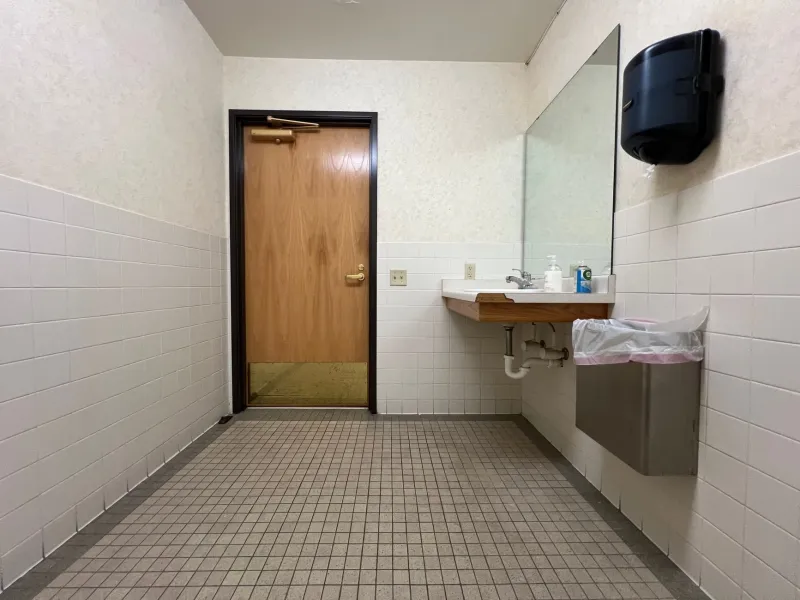
There is an implicit social contract embedded in every public restroom: that the space, however shared, affords a measure of dignity and privacy. Americans enter these rooms in airports, shopping malls, hotel lobbies, and restaurants with a reasonable expectation that no one is watching. That expectation, increasingly, may be misplaced.
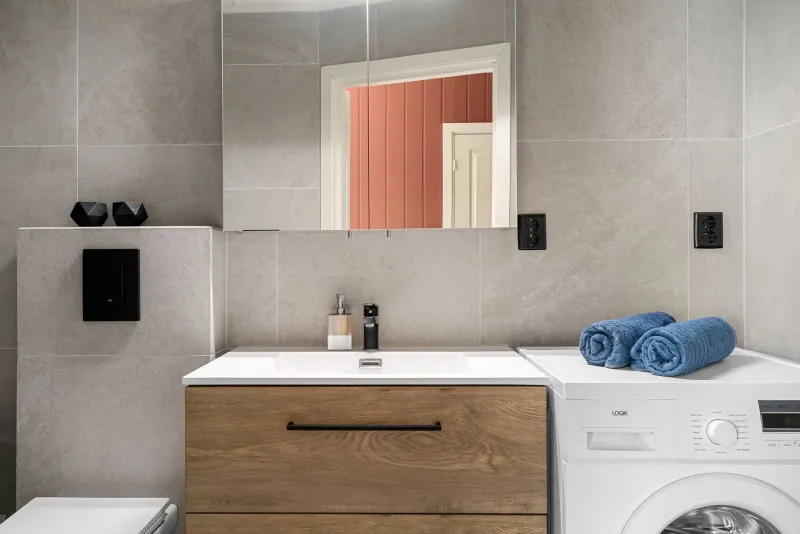
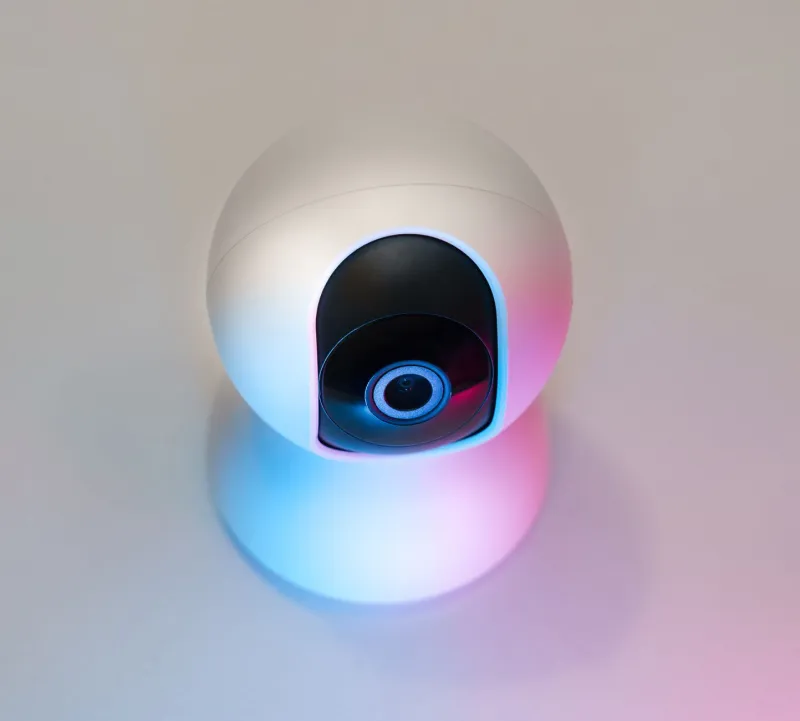
Mirrors—fixtures so ordinary they rarely prompt a second glance—have emerged as a significant concealment point for covert recording devices. Whether through deliberate two-way mirror installations or miniaturized cameras embedded within commercially available smart mirror frames, the reflective surface that users instinctively face has become one of the more insidious delivery mechanisms for unauthorized surveillance.
This is not a hypothetical threat. Law enforcement agencies across the United States have documented cases involving hidden cameras discovered behind or within restroom mirrors in establishments ranging from fast-casual dining chains to high-end retail locations. The victims, in nearly every documented instance, had no idea they were being recorded.
Why Mirrors Are the Preferred Concealment Point
The logic behind mirror-based concealment is straightforward: users are conditioned to look at a mirror rather than through it. This behavioral tendency creates a reliable blind spot. A pinhole lens positioned behind a reflective surface—or integrated into a mirror's decorative frame—captures footage of individuals without triggering the instinctive wariness that an exposed camera might provoke.
Two-way mirrors, sometimes called one-way mirrors or half-silvered glass, have long been associated with law enforcement interrogation rooms and retail loss-prevention suites. Their presence in public restroom settings is considerably less well-known. These panels allow an observer—or a camera—positioned on the darker side of the glass to view activity on the illuminated side with minimal visual interference. In a restroom where lighting is concentrated near the vanity area, the conditions are frequently ideal for this type of installation.
The proliferation of smart mirrors has introduced an additional layer of complexity. Devices marketed for their interactive displays, ambient lighting adjustments, and skin-analysis capabilities contain embedded cameras by design. When these products are installed in semi-public or commercial restroom environments—a practice that remains far more common than most consumers realize—the line between product functionality and surveillance becomes difficult to distinguish.
"The smart home industry normalized the idea of a camera inside a mirror," noted one digital privacy consultant who has conducted facility audits for several US-based hotel chains. "That normalization has made it considerably easier to introduce recording capability into spaces where it has absolutely no legitimate business being."
The Legal Landscape: Gaps That Remain Unaddressed
Federal law, specifically the Video Voyeurism Prevention Act of 2004, prohibits the intentional capture of images of a person's private areas without consent in circumstances where privacy is reasonably expected. Most states have enacted parallel statutes. On paper, this framework appears comprehensive.
In practice, however, enforcement is complicated by jurisdictional inconsistencies, definitional ambiguity, and the sheer difficulty of attributing a discovered device to a specific individual. Property owners who claim ignorance of a camera installed by a previous tenant or contractor face a lower evidentiary burden than those caught in the act. Prosecutors in several states have noted that proving intent—a required element in many voyeurism statutes—can be extraordinarily challenging when the device is discovered after the fact and the perpetrator has vacated the premises.
Additionally, the question of who bears responsibility for conducting surveillance sweeps in commercial restrooms remains legally unresolved in most jurisdictions. Unlike hotel rooms, where some states have begun imposing disclosure requirements on short-term rental hosts, public-facing restroom facilities in restaurants, retail establishments, and transit hubs operate largely without mandatory inspection protocols.
Detection Methods Adapted for Restroom Environments
Detecting hidden cameras in a restroom presents challenges that differ meaningfully from those encountered in a hotel room or rental property. Time is typically limited. The environment is semi-public, making the use of detection equipment conspicuous. And the architectural features of many commercial restroom facilities—recessed lighting, tiled surfaces, decorative framing—provide abundant concealment opportunities.
Despite these constraints, several detection approaches remain viable.
The Fingernail Test for Two-Way Mirrors This widely cited method involves placing a fingertip directly against the mirror's surface. A genuine mirror backed by an opaque surface will produce a visible gap between the fingertip and its reflection. A two-way mirror, by contrast, will appear to eliminate that gap entirely, with the reflection meeting the fingertip directly. While not infallible—mirror thickness and coating quality can produce variations—this test provides a rapid first-pass assessment at no cost and without specialized equipment.
RF and Lens Detection Devices Portable radio frequency detectors identify wireless transmission signals emitted by cameras that stream footage in real time. Lens detectors, which use infrared or laser-based illumination to identify the optical reflection produced by a camera lens, are effective against both wireless and wired devices. Several compact models designed for travel are available at consumer price points, and their utility in restroom environments—where a sweep can be conducted quickly and discreetly—is well established.
Visual Inspection of Frame Edges and Mirror Mounts Pinhole cameras require only a millimeter-scale aperture to function effectively. Inspecting the perimeter of mirror frames, particularly at corners and along decorative molding, for small circular openings or anomalous discolorations can reveal embedded lenses. Particular attention should be directed toward any unusual protrusions from the wall behind or beside the mirror, as well as toward ventilation grilles or light fixtures positioned with a direct sightline to the mirror's face.
Assessing Ambient Lighting Asymmetry Two-way mirror installations depend on a significant light differential between the observer's side and the subject's side. In a commercial restroom, this often manifests as a mirror that appears unusually dark or opaque when viewed from certain angles, or a wall section adjacent to the mirror that seems inconsistently lit. Turning off overhead lights temporarily—if the restroom can be briefly secured—and observing whether any faint illumination becomes visible through the mirror surface can be informative.
Practical Steps for Public Restroom Visitors
No detection method guarantees complete certainty, but a layered approach meaningfully reduces risk. The following practices are recommended for individuals who frequent commercial or public restroom facilities.
- Conduct a brief visual scan upon entry. Note the position of mirrors relative to stalls, urinals, and changing areas. A mirror angled toward a private space rather than a vanity area warrants additional scrutiny.
- Carry a compact lens detector. Several models retail for under $50 and fit easily in a jacket pocket or handbag. Routine use in unfamiliar facilities normalizes the practice and increases the likelihood of identifying compromised installations.
- Report anomalies immediately. If a mirror appears inconsistent with others in the facility, or if a frame reveals an unexplained aperture, notify facility management and, if warranted, local law enforcement. Photographs of the suspicious fixture—taken without disturbing potential evidence—can support any subsequent investigation.
- Trust environmental inconsistencies. A mirror mounted with visible adhesive residue, mismatched hardware, or a frame that does not correspond to the establishment's overall aesthetic may indicate a post-installation modification.
The Broader Implication
The restroom mirror represents a particular kind of surveillance threat: one that exploits not only physical concealment but the deep psychological comfort users associate with their own reflection. Addressing this threat requires a combination of individual vigilance, updated regulatory frameworks, and a commercial culture that treats patron privacy as an enforceable obligation rather than an incidental courtesy.
Until those institutional responses materialize, the responsibility falls disproportionately on the individuals who occupy these spaces—armed, ideally, with the knowledge to recognize when the mirror looking back at them is not the only thing watching.