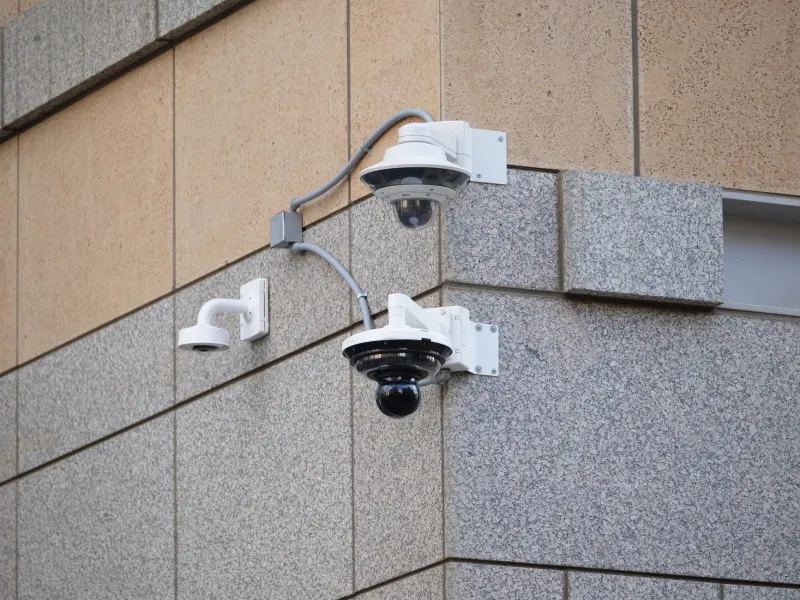
Meeting Strangers in Surveilled Spaces: The Hidden Camera Risks That Dating Platforms Refuse to Discuss
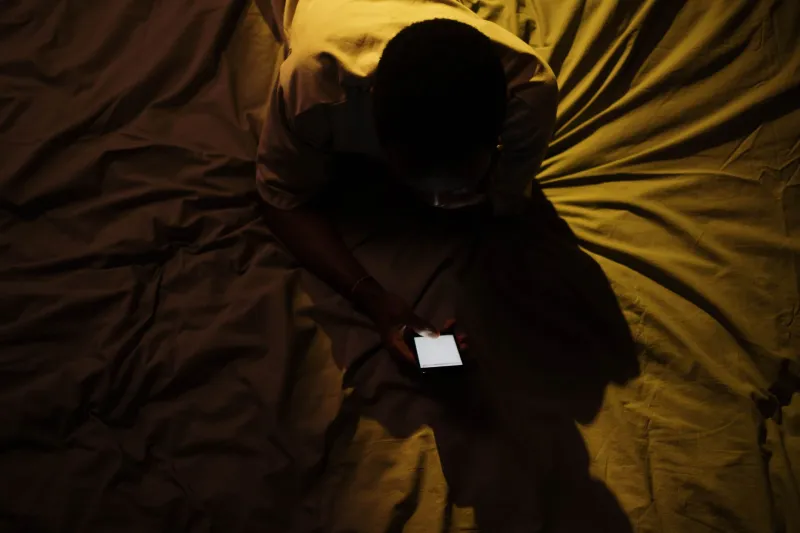
The architecture of modern courtship has changed. Where previous generations navigated introductions through social networks, workplaces, and community institutions, millions of Americans now begin romantic connections through digital platforms that compress the timeline from introduction to in-person meeting. What those platforms do not compress — and rarely acknowledge — is the surveillance risk that attaches to the venues where those meetings increasingly occur.
Short-term rentals. Hotel rooms booked through third-party apps. Vacation properties shared among acquaintances. These are the spaces where contemporary dating unfolds, and they are also the spaces where hidden cameras have been documented with a frequency that warrants serious attention. The companies facilitating the introductions have, with few exceptions, remained conspicuously quiet about this intersection.
The Venue Problem
A generation ago, a first date most commonly occurred in a public commercial space — a restaurant, a coffee shop, a bar — where the surveillance infrastructure, while present, was operated by the establishment and subject to at least nominal regulatory oversight. Contemporary dating culture has moved a meaningful portion of this activity into private or semi-private spaces, particularly after the social distancing habits of the early 2020s normalized home-based and rental-property meetups.
This shift has collateral consequences. Short-term rental properties — Airbnbs, VRBOs, and similar accommodations — have been the subject of documented hidden camera discoveries in jurisdictions across the United States. The guests involved in those incidents were not necessarily on dates; they were simply occupying a space that had been compromised. But for individuals meeting someone for the first time in an unfamiliar rental property, the surveillance risk compounds in a specific way: the threat may originate not only from the property host but from the other person in the room.
Nonconsensual recording of intimate encounters is a documented and growing problem. Thirty-eight states and the District of Columbia have enacted laws specifically criminalizing the nonconsensual recording and distribution of intimate images, though the statutory language varies considerably and enforcement is inconsistent. The federal government has not yet passed comprehensive federal legislation, though the SHIELD Act has been introduced in multiple congressional sessions.
What the Platforms Are Not Saying
The major dating applications operating in the United States — platforms with combined user bases numbering in the tens of millions — publish extensive safety guidance. That guidance addresses meeting in public places, sharing location information with trusted contacts, and trusting instinctive discomfort. What it does not address, in any substantive way, is the physical surveillance environment of the spaces where users meet.
This is a notable omission. These platforms are sophisticated technology businesses with large legal and trust-and-safety teams. The documented prevalence of hidden cameras in short-term rentals is publicly available information. The nonconsensual recording trend is well-covered in mainstream media. The decision not to incorporate surveillance education into user safety resources appears to reflect a deliberate editorial choice rather than an oversight.
The charitable interpretation is that platforms view physical safety in meeting spaces as outside their operational scope. The less charitable interpretation is that addressing surveillance risk would implicitly acknowledge the extent to which the venues their platforms have normalized — rental properties, hotel rooms, private residences — carry risks that public meeting spaces do not.
A Practical Detection Framework for Dating Contexts
In the absence of platform guidance, individuals meeting in unfamiliar spaces carry full responsibility for their own situational awareness. The following framework is designed for realistic application in a dating context — procedures that can be conducted without causing alarm or requiring specialized equipment.
Arrive early when possible. If you are meeting at a rental property or hotel room, arriving before your date allows for a brief, uninterrupted inspection of the space. This window is valuable.
Prioritize high-risk locations. Bedrooms and bathrooms carry the highest documented rate of covert camera placement. Conduct a systematic visual inspection of these spaces, paying particular attention to smoke detectors, clock radios, air purifiers, and USB charging hubs — all documented concealments for covert cameras.
Use your smartphone as a preliminary tool. Many consumer smartphones can detect infrared light through the front-facing camera, which does not have the same IR filter as the rear camera. In a darkened room, scanning with the front camera active can reveal IR emitters that are invisible to the naked eye.
Consider a portable lens detector. Compact lens-detection devices are available at accessible price points and can be carried discreetly. They are effective at identifying optical elements regardless of whether a device is actively transmitting — a significant advantage over RF-only detection tools.
Know the legal resources available to you. If you discover or suspect a recording device in a space you occupy, document the device with your own phone before contacting local law enforcement. Preserve the space as found. In most US jurisdictions, the installation of a covert camera in a space where a person has a reasonable expectation of privacy constitutes a criminal offense. The Cyber Civil Rights Initiative maintains a crisis helpline and state-by-state legal resource guide for victims of nonconsensual recording.
The Conversation That Needs to Happen
The dating industry is not obligated, under current law, to provide surveillance education to its users. But obligation and responsibility are not the same thing. Platforms that facilitate millions of introductions annually, and that have actively promoted rental properties and private spaces as meeting venues, occupy a position of meaningful influence over user behavior.
Using that influence to communicate that a lens detector costs less than a dinner reservation, and that a five-minute inspection of an unfamiliar space is a reasonable precaution rather than an act of paranoia, would be a substantive contribution to user safety. The platforms have chosen, thus far, not to make it. Until they do, that information needs to come from somewhere else.